What Neurodiversity Coach Bianca Ranzijn Saw in Anya and a Thousand Fish

“You have not simply written a story about a child. You have designed an experience that works with the way many neurodivergent brains naturally process information.”
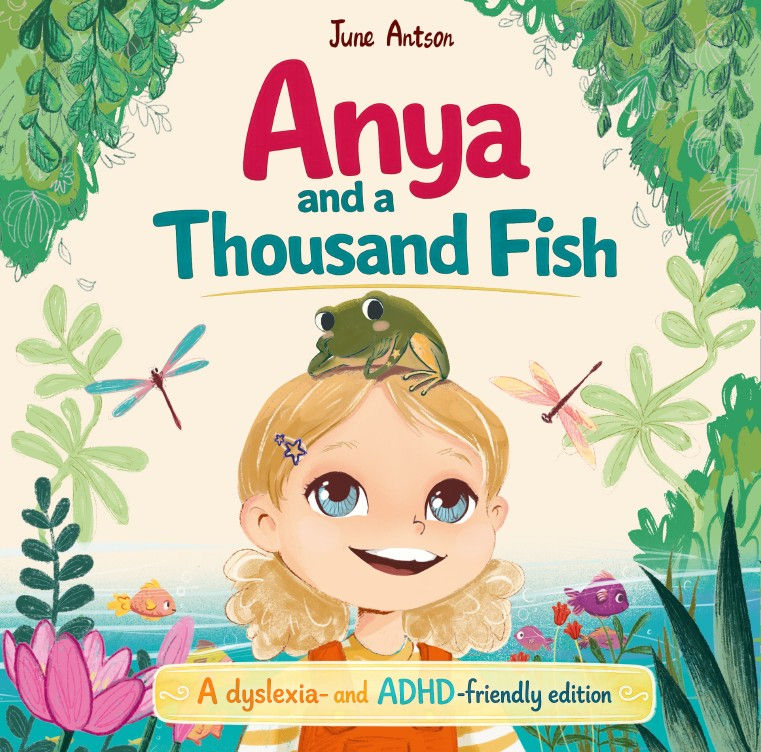
These words came from Bianca Ranzijn, neurodiversity coach and founder of OwnYourBrain™, after she reviewed my children's picture book Anya and a Thousand Fish: A Dyslexia- and ADHD-Friendly Edition.
I have returned to that sentence several times since reading it. Positive feedback on something you have created is wonderful, but there is a rarer experience when somebody understands the work so precisely that their response helps you see your own book differently.
Bianca's perspective was particularly meaningful to me because she combines professional work in neurodiversity, dyslexia and ADHD with her own lived experience of dyslexia. Her review therefore approached Anya and a Thousand Fish through the experience of the reader as well as through professional knowledge of neurodivergent processing.
What struck me most was how much she saw beyond the physical accessibility of the book.
Bianca highlighted the relationship between words, illustrations and imagination, observing that the illustrations carry meaning and help children connect language directly with what they see. She also recognised how the story encourages children to participate imaginatively, describing how readers can “become part of the story instead of merely reading it.”
That observation reaches into something I care about deeply as a children's author.
Children bring far more than decoding ability to a book. They bring curiosity, emotion, humour, memories, associations and imagination, and those capacities remain powerful when reading itself requires additional effort.
A dyslexic child or a child with ADHD may struggle with aspects of written language while understanding a character, emotion or metaphor with remarkable depth. A picture book can give those different forms of understanding room to work together.
Why Bianca also saw value for neurodivergent adults
One part of Bianca's review particularly surprised me because it opened a direction I had discussed very little before: she saw value in the book for adults too.
Anya and a Thousand Fish uses a pond full of fish as a metaphor for the thoughts and feelings moving through Anya's mind. They multiply, move around and sometimes become overwhelming, while Mudrik the frog helps her recognise and relate differently to what is happening inside her.
Bianca connected this metaphor with experiences that can remain familiar well beyond childhood.
Neurodivergent adults can also experience minds filled with competing thoughts, emotions, stimuli and demands. Adulthood may give us more sophisticated language for those experiences, yet an accessible metaphor can sometimes make an internal state easier to recognise than a complicated explanation can.
Her observation made me reconsider what can happen during shared reading. An adult may open Anya and a Thousand Fish intending to help a child talk about emotions or overwhelm and unexpectedly recognise something of their own experience in Anya's thousand fish.
That matters because picture books can carry complex psychological and emotional ideas without making them heavy. The language may be written for children, while the metaphor can remain relevant across ages.
For parents, educators and neurodivergent adults, this creates another way into conversations about emotional regulation, cognitive overload and neurodivergent experience.
When a professional review changes how you understand your own book
By the time Bianca reviewed the accessible edition, I had been close to Anya and a Thousand Fish for so long that experiencing it as a new reader was impossible.
Her feedback made my heart soar because she recognised the intention contained within the finished book. She saw the reading experience, the imaginative participation and the emotional metaphor working together.
Her response also reminded me why lived experience has such an important place in conversations about inclusive and accessible reading. Professional expertise can illuminate one part of the experience, while somebody who personally processes information differently may notice qualities that remain invisible from another perspective. Bianca brought both.
And now I can finally hold the result in my hands.
The paperback of Anya and a Thousand Fish: A Dyslexia- and ADHD-Friendly Edition is officially available. Although it is not my first published children's book, holding this edition feels different because I can see in it the contributions of the professionals who shared their expertise, the conversations that changed my thinking and the people who helped me understand the story from perspectives beyond my own.
The work is also growing beyond the book itself through my Accessible Reading Programme, which focuses on helping accessible children's books reach children through trusted organisations and corporate sponsorship.
For now, however, I want to celebrate this particular moment and thank Bianca Ranzijn for reading the book with such attention.
Her review gave me a new way of understanding something I originally created for children. A story can help a young reader recognise what is happening inside their mind while, beside them, an adult may quietly recognise their own thousand fish too.
About Bianca Ranzijn and OwnYourBrain™
Bianca Ranzijn is a neurodiversity coach and founder of OwnYourBrain™. Her work includes dyslexia, ADHD and neurodivergent ways of processing information, informed by professional expertise and her own lived experience of dyslexia.
About Anya and a Thousand Fish
Anya and a Thousand Fish: A Dyslexia- and ADHD-Friendly Edition is a children's picture book by June Antson about thoughts, emotions, overwhelm and self-understanding. Through the metaphor of a pond filled with fish, the story gives children a visual and imaginative language for experiences that can also resonate with neurodivergent adults.
The paperback is now available.


Comments