Does inclusivity always include access?

There is no inclusivity without access.

The principles in this image reach far beyond neurodiversity. They concern acceptance, equal participation and the right to take part without first proving that you can fit a system designed around somebody else.
Access is often discussed as an attitude: being understanding, welcoming difference and treating people fairly. Those things count, but they do not remove a reading barrier, redesign an overcrowded page or give a child material that suits the way they process language.
Neurodivergent people can face additional difficulty being seen, heard and understood, especially when their learning, communication or information processing falls outside mainstream education models. For children entering formal learning, that mismatch can appear early. A book may contain the right story and still be difficult to use because of its font, spacing, visual density, sentence structure or lack of pronunciation support.
The burden should not fall on a young child to adapt to materials that were never designed with their brain in mind.
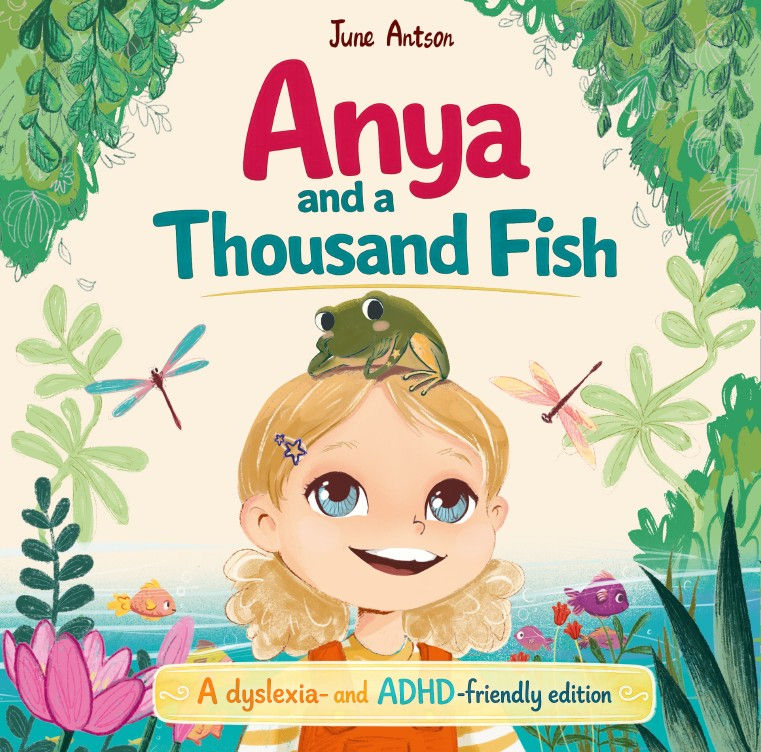
That is one reason I created the dyslexia-friendly edition of *Anya and a Thousand Fish*, a bilingual picture book for children aged 4–8, which will debut in the next few days. The edition uses a more readable font, clearer spacing, calmer page design and a pronunciation guide to make reading easier for children with dyslexia, ADHD and other learning differences.
Good intentions around neuroinclusion need physical resources behind them: books, classrooms, teaching materials and digital content that children can actually use.
Neurodivergent children need books designed with them in mind. Every child deserves equal access to reading, learning and knowledge.
More information:
:::


Comments